3 hr
Muthurajawela Wetland Birdwatching Boat Tour
Explore Sri Lanka's renowned marshland by boat, spotting diverse birdlife and wildlife in serene waterways.
Reserve
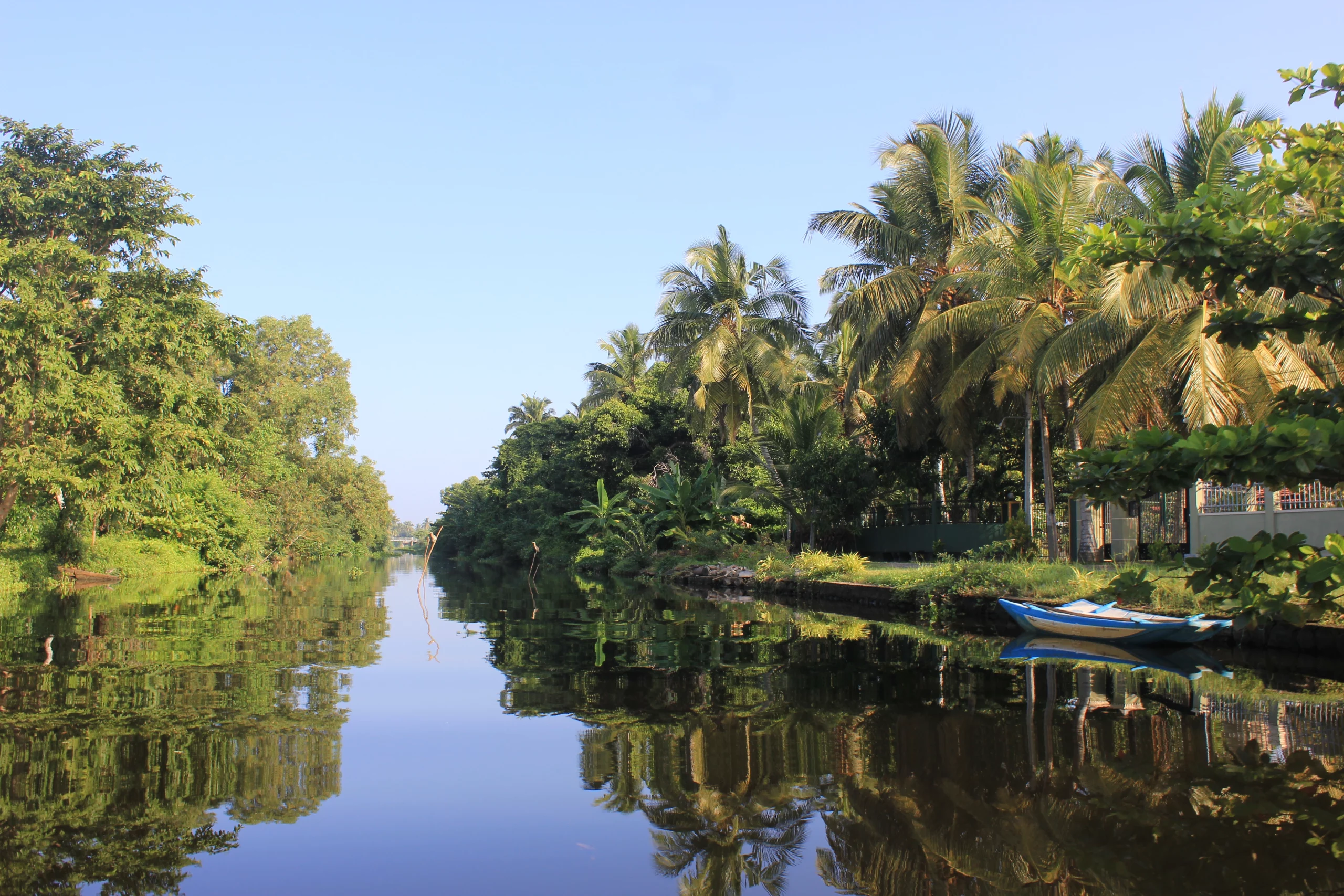
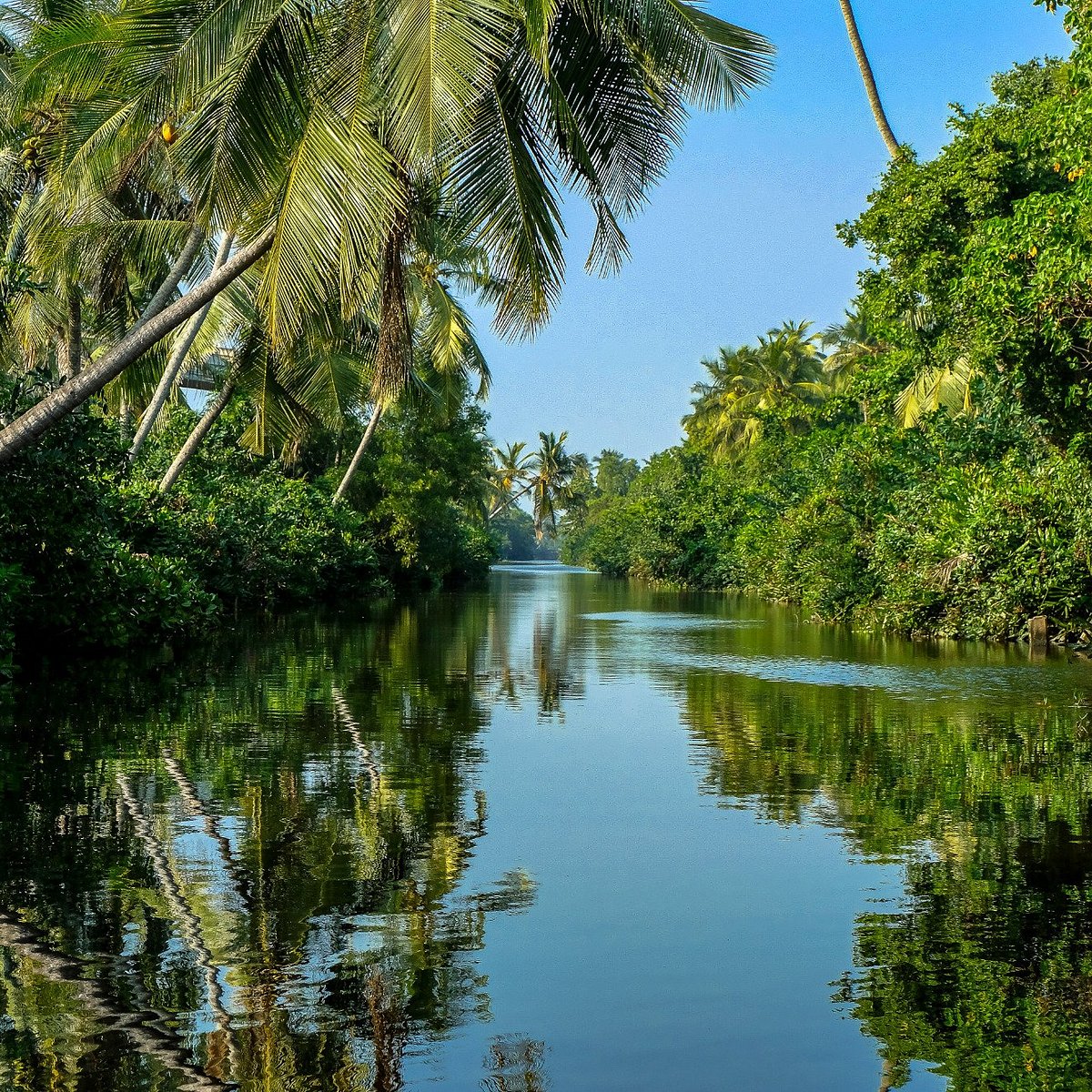
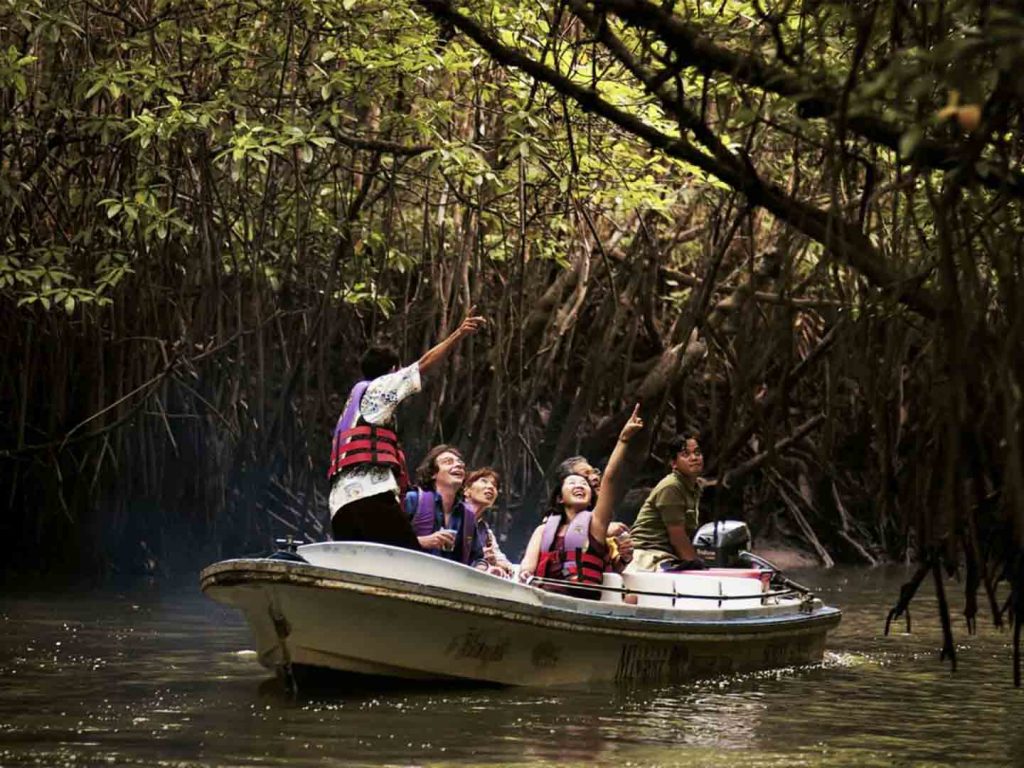
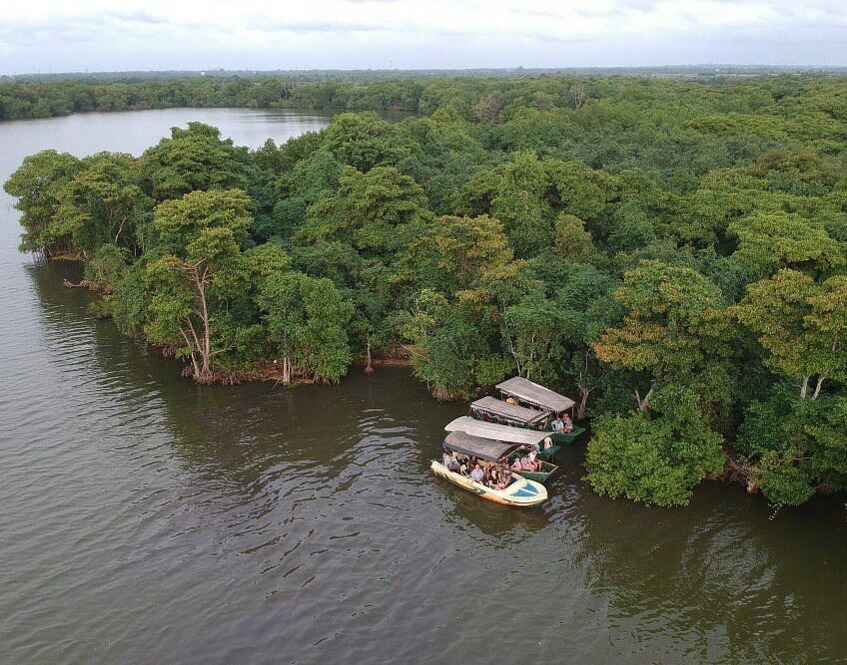
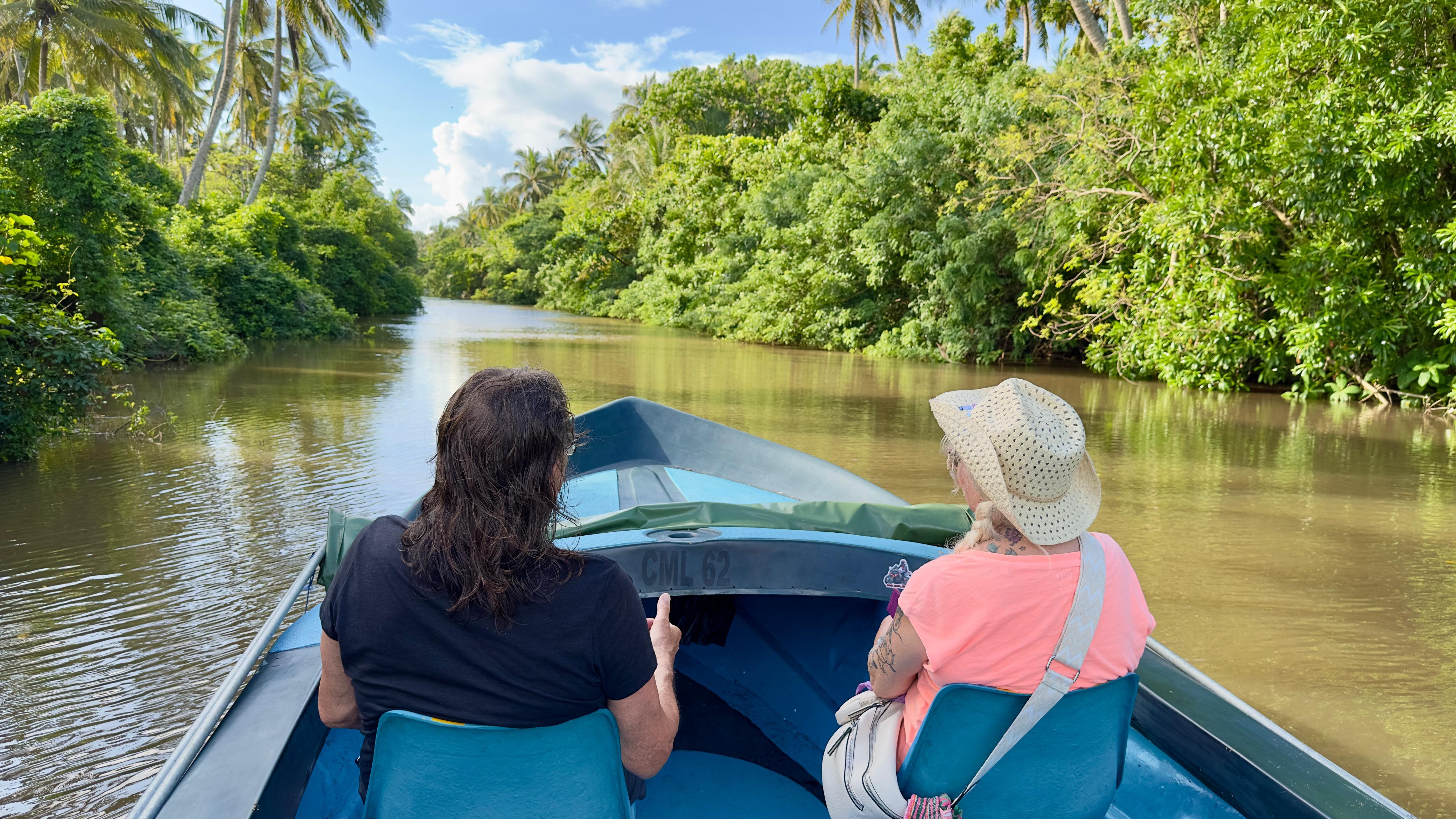
Navigate narrow canals through mangrove corridors, witness Sri Lanka's coastal marsh ecosystem.
Hand-picked by our editors — only the best 3 wetland experiences from 12 reviewed.
Verified partners for Muthurajawela Boat tours, free cancellation where available, and instant confirmation on every booking.
3 hr
Explore Sri Lanka's renowned marshland by boat, spotting diverse birdlife and wildlife in serene waterways.
Reserve
3 hr
Discover Sri Lanka's rich wetland ecosystem on a tranquil boat journey through mangroves and canals
Reserve
2 hr
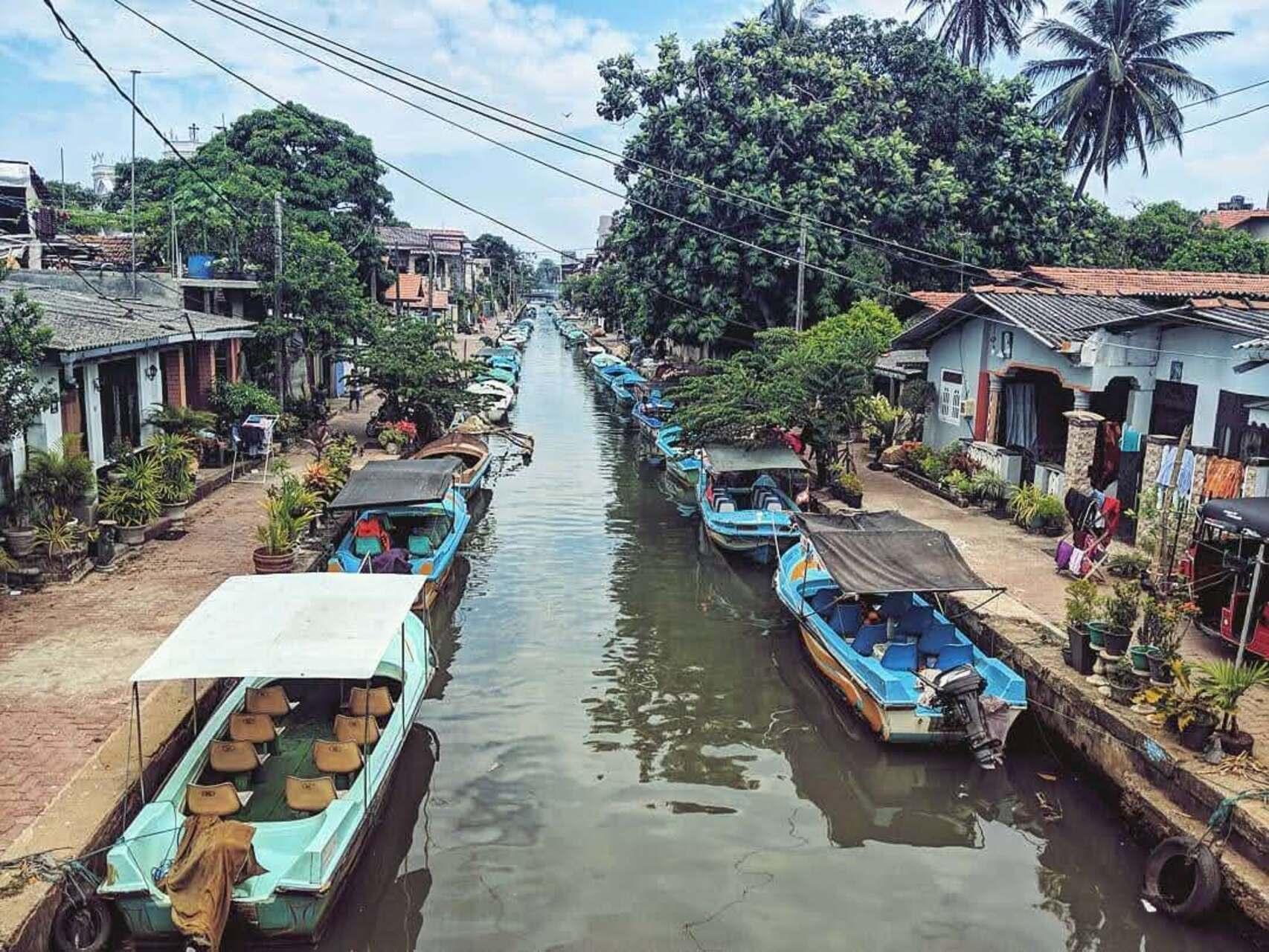
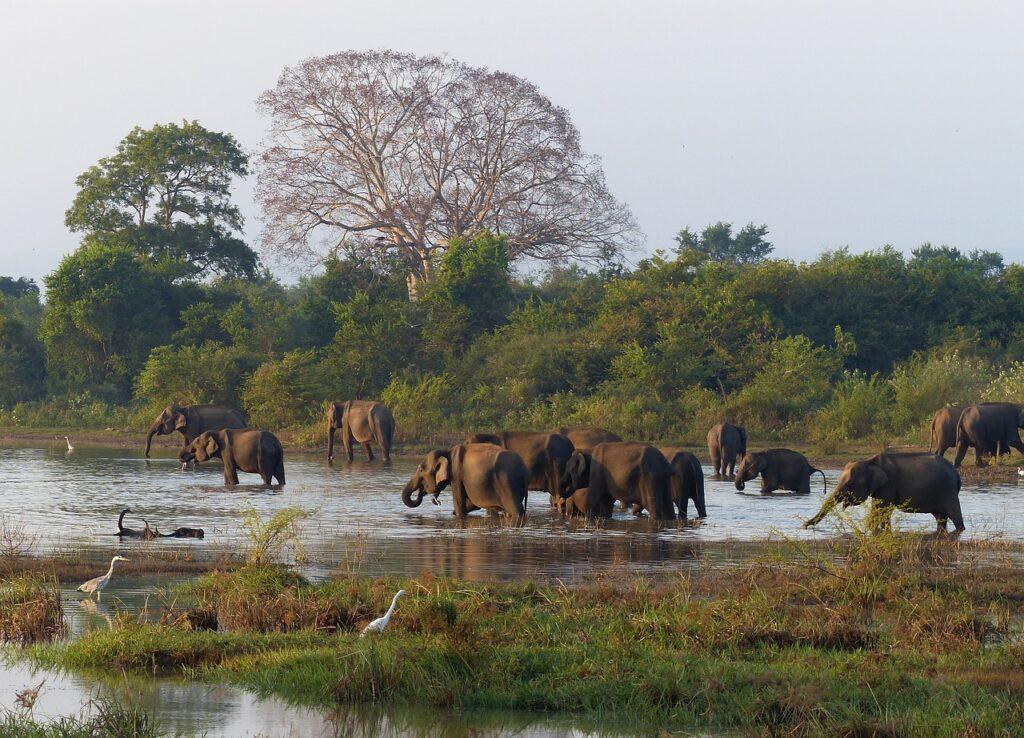
Glide through Sri Lanka's largest coastal marsh, spotting crocodiles, monkeys, and endemic birds in mangrove canals.
ReservePrices from verified partners. Availability updates in real time at checkout. Free cancellation policies apply where shown.
The landmarks, rooms, and views travelers on Muthurajawela Boat tours remember — all visible on a single visit.
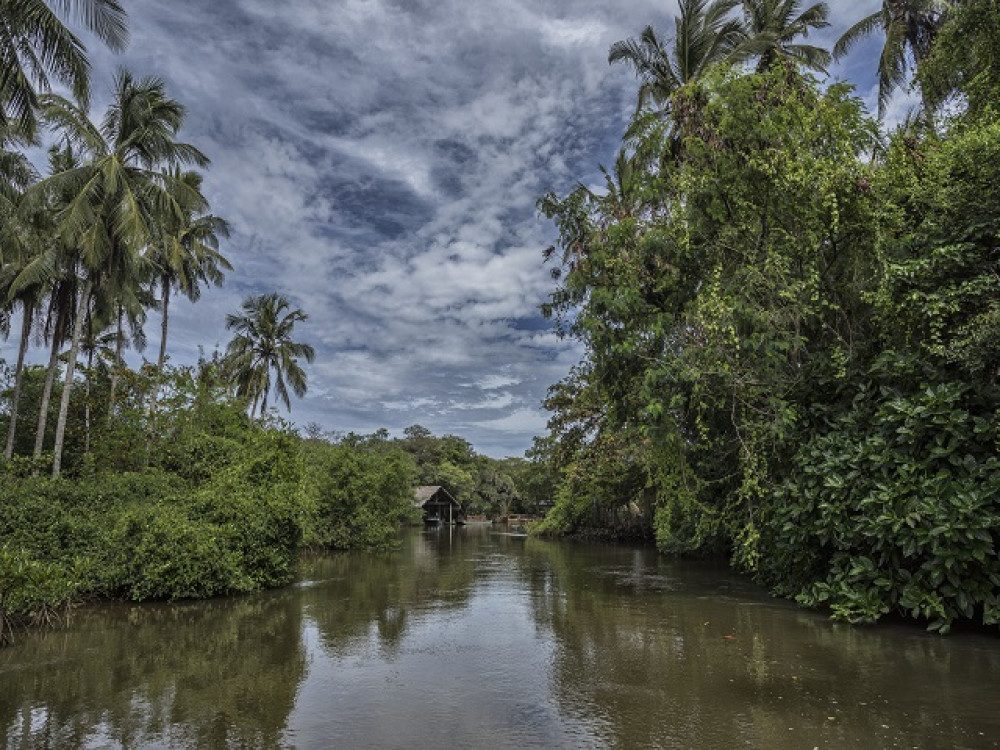
Navigating these narrow waterways reveals unique salt-tolerant vegetation and specialized wildlife species. This ecosystem provides a sanctuary for diverse aquatic life.
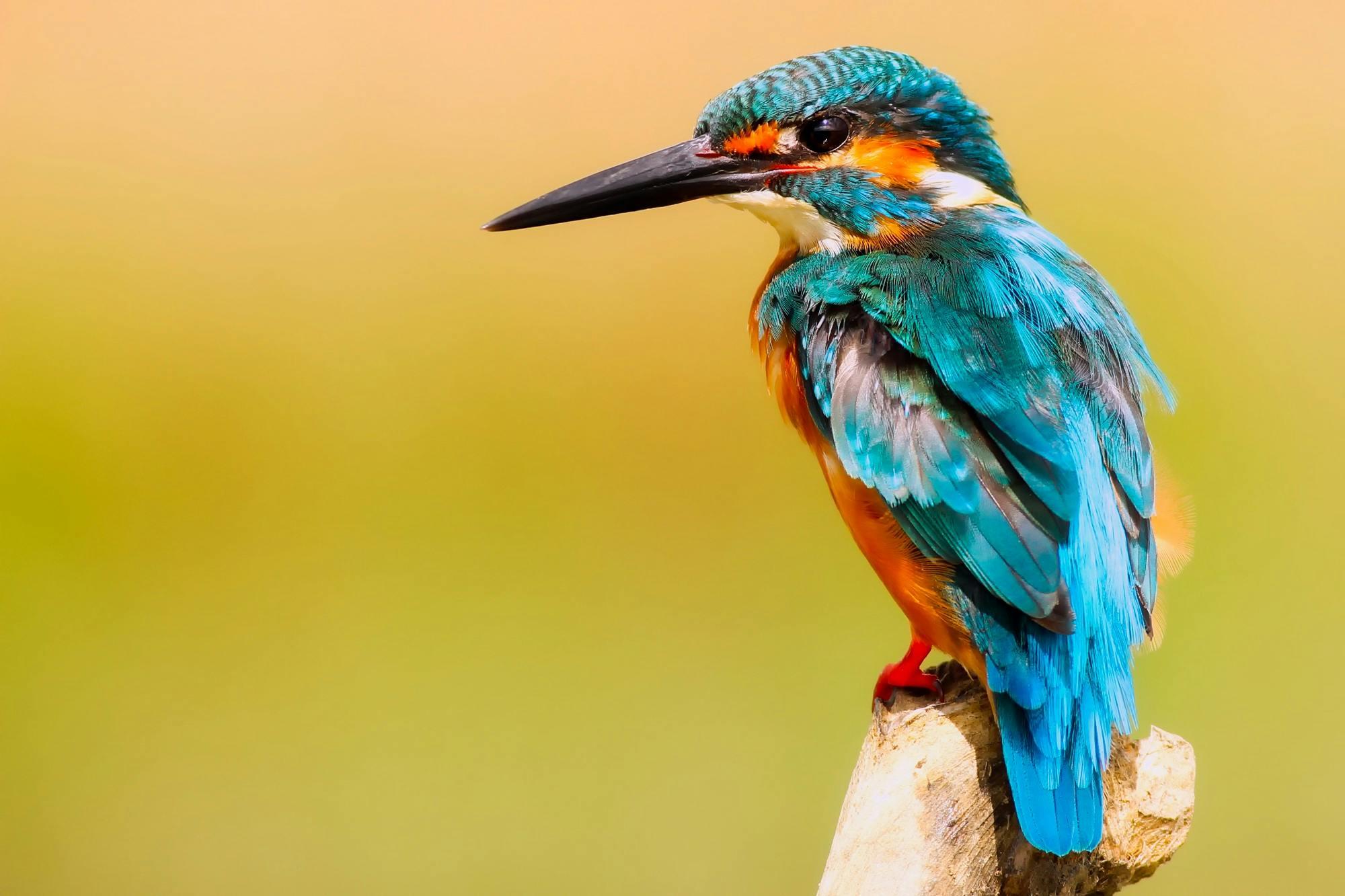
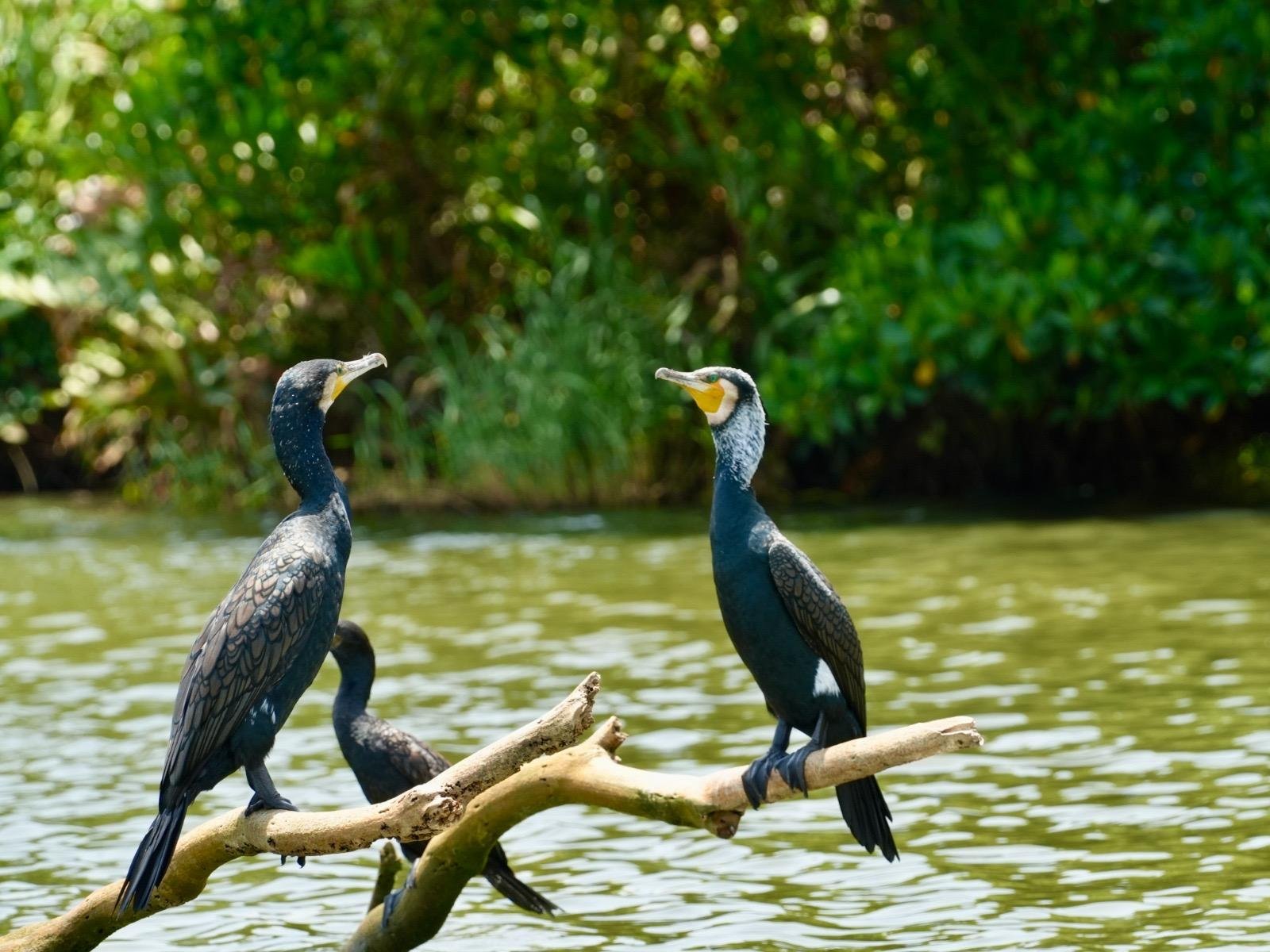
Bird Watching Zone
Wetland Information Centre
Water Monitor Habitat
Lagoon Viewpoints
Every Muthurajawela Boat tour side-by-side — duration, what's included, how you redeem.
| Experience | Duration | Rating | Transfers | Pickup | Guide | Free cancel. | Price | |
|---|---|---|---|---|---|---|---|---|
|
Standard Entry Most popular
Muthurajawela Wetland Birdwatching Boat Tour
|
3 hr | ★ 5.0 | ✓ | ✓ | ✓ | ✓ | €34 | Book → |
|
Standard Entry
Muthurajawela Wetlands Birdwatching Boat Safari from Negombo
|
3 hr | ★ 4.9 | — | ✓ | ✓ | ✓ | €31 | Book → |
|
Standard Entry
Negombo Lagoon & Muthurajawela Wetland Sanctuary Boat Safari
|
2 hr | ★ 4.9 | ✓ | ✓ | ✓ | ✓ | €21 | Book → |
All prices from verified partners. Availability and exact terms confirmed at checkout.
They complement each other; most visitors who do both call the Muthurajawela boat tour a more serene, raw encounter, while the Madu River offers a highly developed social excursion. Exploring these Sri Lankan waterways requires choosing between quiet mangrove immersion or a broader tour experience.
| Feature | Top pick Muthurajawela | Madu River Safari |
|---|---|---|
Proximity to Colombo |
Approx. 30 km | Approx. 120 km |
Wildlife focus |
High - bird and reptile spotting | Moderate - aquatic and island life |
Level of commercialization |
Low - eco-focused research center | High - tourism infrastructure and shops |
Primary environment |
Coastal peat bog and marsh | River estuary and island complex |
Experience atmosphere |
Quiet, natural, and secluded | Active, social, and varied |
Muthurajawela boat tour tickets |
1,000 LKR base fee | Variable market rates |
| See tickets → |
Verdict: Select the Muthurajawela boat tour tours if you prioritize proximity and authentic marsh ecology, or choose the rival safari for a multi-stop itinerary involving local industries and historic temples.
Choose your ticket, select your date, and reserve in under two minutes. Secure checkout handled by our verified partner.
Instant confirmation by email, with a mobile voucher you can save offline. No printing, no queuing at a collection desk.
Arrive at the entrance, show your voucher on your phone, and walk in. Most tickets include priority or skip-the-line access.
Practical details for Muthurajawela Boat tickets straight from our verified partners — hours, access, rules, and how to get there.
Muthurajawela Marsh Centre, Bopitiya
Park in the designated area
Open in Google MapsFollow the A3 highway toward Bopitiya and use GPS to the Marsh Centre.
Hire a private taxi for a direct route to the wetland entrance.
Wear light, breathable clothing and comfortable footwear suitable for wet boat environments. A hat and sunglasses are recommended for sun protection during the muthurajawela boat tour.
Small daypacks are permitted on the muthurajawela boat tour vessels. Please secure loose items, as the center is not responsible for property lost in the marsh.
Photography is encouraged, but please be respectful of the wildlife and do not use flash near nests or sensitive bird habitats. Bring a dry bag to protect camera gear during your muthurajawela boat tour.
The Muthurajawela Marsh Centre jetty may present challenges for visitors with limited mobility. Please contact 0114030150 to discuss requirements for a muthurajawela boat tour experience.
Mobile signal is generally available, but connectivity may fluctuate deep within the lagoon. Keep phones charged for navigation and photos during your muthurajawela boat tour.
Children are welcome and often enjoy spotting monkeys and birds during the boat trip. Parents should ensure children wear life vests provided during the muthurajawela boat tour.
There are no restaurant facilities within the wetland, so bring your own water and light snacks. Please carry out all trash to keep the ecosystem clean.
Pets are not allowed on the boats or within the wetland reserve to protect the native fauna. Please make alternative arrangements for your animals.
The 1,000 LKR conservation fee is mandatory for all visitors to support marsh preservation. Your guide will provide information about the local flora and fauna during the muthurajawela boat tour.
Muthurajawela Marsh Centre, Bopitiya
Park in the designated area
Get directionsBest time to go, insider tips, nearby landmarks, and the cancellation fine print — flip through to skim what matters to you.
How crowds, weather, and events shift across the year.
Expect occasional monsoon showers but lush greenery and active bird populations. Mornings provide the best light for photography during your muthurajawela boat tour.
This is the peak dry season with clear skies and cooler temperatures. It is the most popular time to secure muthurajawela boat tour tickets.
Temperatures rise, making the early morning window of 07:00–09:00 essential. Wildlife congregates near water sources during the heat.
Variable weather patterns offer a mix of sun and rain. Check local weather reports before booking your muthurajawela boat tour tours.
Small details that turn a good visit into a great one.
Secure your muthurajawela boat tour tickets in advance for weekend visits.
The marsh area can have high mosquito activity during humid days.
Wildlife is often found high in the canopy or deep in the reeds.
Bright clothing can startle the animals during your muthurajawela boat tour.
The conservation fee must be paid in local currency at the visitor center.
Non-bookable sights within a short walk — free to visit, easy to pair.
A historic waterway built during the Dutch colonial era. It runs parallel to the coastline and offers scenic vistas near the wetland.
Flexible, no hidden fees.
Cancellations must be requested at least 24 hours in advance for a full refund of the 1,000 LKR conservation fee. Late cancellations or no-shows are non-refundable.
Hand-picked options within walking distance — pick a district for vibe, or a specific hotel for convenience.
Resorts located along the coastline with easy access to the marsh.
Fifteen kilometres north of Colombo, the Muthurajawela Marsh spans 6,000 hectares of tidal wetland—the largest saline coastal peat bog in Sri Lanka.
The name translates to "swamp of royal treasure," a reference to legends of hidden riches and the ecological wealth that colonial administrators recognized as early as the 1920s. Dutch canal engineers diverted the Kelani River's northern distributaries through this deltaic plain in the seventeenth century, creating a labyrinth of brackish channels that now form the backbone of the reserve's biodiversity.
Designated a Ramsar Wetland of International Importance in 1991, Muthurajawela supports 194 recorded flora species and 209 fauna species, including 40 varieties of butterflies and 102 bird species. Water monitors exceeding two metres patrol the canal edges. Purple herons, little cormorants, and white-throated kingfishers nest in the mangrove thickets. The marsh functions as a natural filtration system for Negombo Lagoon, trapping sediment and agricultural runoff before it reaches the Indian Ocean. This ecological service, valued at millions of rupees annually, sustains the lagoon's commercial fishery and protects inland settlements from tidal surges.
The Muthurajawela Visitor Centre, established in 1996 under the Central Environmental Authority, coordinates conservation patrols and educational programmes. Flat-bottomed boats navigate channels as narrow as three metres, gliding beneath kumbuk and mee trees whose roots anchor the peat substrate. The water depth rarely exceeds one metre during the dry season, revealing centuries of compacted vegetation. Guides trained in marsh ecology identify medicinal plants—gotu kola carpeting the banks, weniwel vines used in Ayurvedic preparations—and track the movement of endemic species such as the Sri Lanka grey hornbill. The marsh's role as a carbon sink has drawn international climate research teams; peat layers sequester carbon at rates comparable to tropical rainforests, though drainage for urban expansion threatens this capacity.
Morning light slants through the canopy at acute angles, illuminating dragonfly swarms and the iridescent plumage of endemic barbets. The canals wind past abandoned shrimp farms, their crumbling embankments now reclaimed by mangrove seedlings. Egrets stalk the shallows. Fishermen cast nets from dugout canoes, their technique unchanged for generations. The marsh remains a working landscape, its conservation dependent on balancing ecological protection with the livelihoods of adjacent communities.

"The marsh's role as a carbon sink has drawn international climate research teams; peat layers sequester carbon at rates comparable to tropical rainforests."
A step-by-step walkthrough of Muthurajawela Boat tickets — what you'll see, how long each stage takes, and the details that matter.
You meet your guide at the Muthurajawela Marsh Centre in Bopitiya, a low building flanked by interpretive panels detailing the reserve's avian residents. After a brief safety orientation, you board a narrow boat with bench seating for six.
The outboard motor idles as the guide pushes off from the concrete pier, entering a canal fringed by towering reeds.
The first kilometre threads between walls of mangrove, their tangled prop roots creating archways overhead. Your guide cuts the engine periodically, allowing the boat to drift in silence. A water monitor glides across the surface, only its snout and eyes visible. Purple herons freeze mid-step in the shallows. The guide identifies a mee tree, its bark scarred by kingfisher nesting activity, then points out a cluster of water hyacinth, an invasive species volunteers remove weekly.
You pass beneath a railway bridge, its iron girders rusted by salt spray, then emerge into a wider channel where the horizon opens. Fishermen in distant canoes haul crab traps. The guide navigates a forked junction, choosing the narrower passage where kumbuk branches form a canopy. Sunlight filters through in shifting dapples. A barbet calls from the understory. The boat rounds a final bend, revealing the lagoon's expanse—a silver plane stretching toward Negombo's church spires. You linger at the threshold where freshwater meets brine, watching waders probe the mudflats, before the return journey retraces the route through green corridors now loud with midday cicadas.
The center is open daily from 07:00–18:00 for your visit. It is recommended to arrive early for the best experience.
It is recommended to check availability online or via phone at 0114030150 to ensure a spot.
The entrance fee is 1,000 LKR per person, which covers conservation and a guide.
The best arrival window is 07:00–09:00 to avoid the midday heat and see active wildlife.
Yes, children are welcome and must wear provided safety equipment on every muthurajawela boat tour.
There are no on-site food services, so please bring your own water and snacks.
Photography is allowed, though visitors should avoid using flash near sensitive wildlife areas.
The wetland is located at the Muthurajawela Marsh Centre in Bopitiya, accessible by car or taxi.
Wear light, breathable clothes and comfortable shoes suitable for a tropical wetland environment.